I was born in Puerto Rico. I lived there, on and off, for 27 years. Most of my family still lives there, and I love it. I did well for myself. You still can’t ignore the stark economic difference between Puerto Rico and the mainland United States.
Americans take for granted that their property will rise in value over the medium term and the long term. In most of the world, that is not the case. Over the 20 years I invested in Puerto Rico, my properties rose substantially less than properties in the United States. The cause is a widespread sympathy for socialist values, and for the public policy that follows.
Socialism
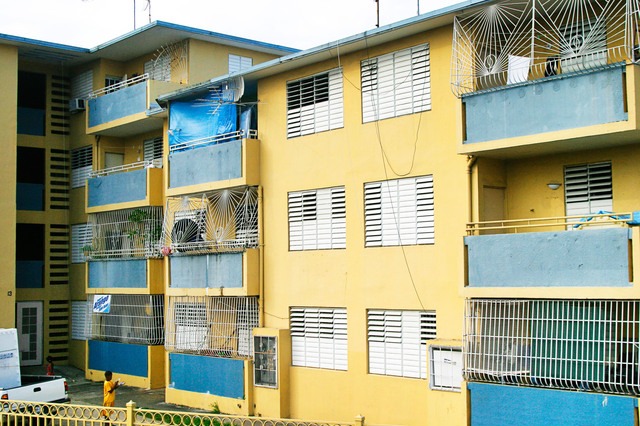
Socialism is the government owning the means of production. In Puerto Rico, it owns the power plants and the grid, the water and sewer system, the ports, the airports, and the ferries. It runs the train in San Juan. It owns factory buildings that it leases, and about 85,000 cuerdas of farmland that it leases to farmers. It runs about 53,600 public-housing units, the second-largest stock in the United States. Workers’ compensation is a state monopoly. It also runs the compulsory insurance for injuries in car accidents.
Redistribution of wealth
- Corporate income taxes reach 37.5%, nearly double the U.S. rate of 21%.
- State income taxes in the United States range from 0% to 13%. In Puerto Rico they reach 33%.
- The sales tax is 11.5%, higher than the sales tax in any U.S. state.
Then come the taxes most places do not charge at all.
- A business tax on all assets and inventory.
- A municipal tax on gross receipts.
- A municipal tax on construction.
Tax businesses this heavily and the economy does not grow. Add income taxes that high, in an economy that is already shrinking, and people leave. Massachusetts and California are losing residents for the same reason. Puerto Rico has lost far more.
American taxpayers already send $40 billion a year to this island of 3.2 million people. That is $12,500 a person. About half is earned (Social Security, Medicare, and veterans’ benefits). Half is granted. Some still propose new welfare programs, which would take more taxes. At what point will people abandon these failed policies?
If socialism and redistribution worked, Puerto Rico would be a utopia. It is not.
37%
live below the national poverty line. The U.S. rate is 12%.
$27,000
median household income. The U.S. figure is $87,000.
45%
of adults in the civilian labor force. On the mainland it is about 63%.
1 in 5
nonfarm jobs are government jobs.
1.4 million
people a month receive food assistance.
−17%
population loss since the 2004 peak of 3.8 million. People are leaving en masse.
Census Bureau, ACS and QuickFacts; Bureau of Labor Statistics; USDA Food and Nutrition Service; Pew Research Center.